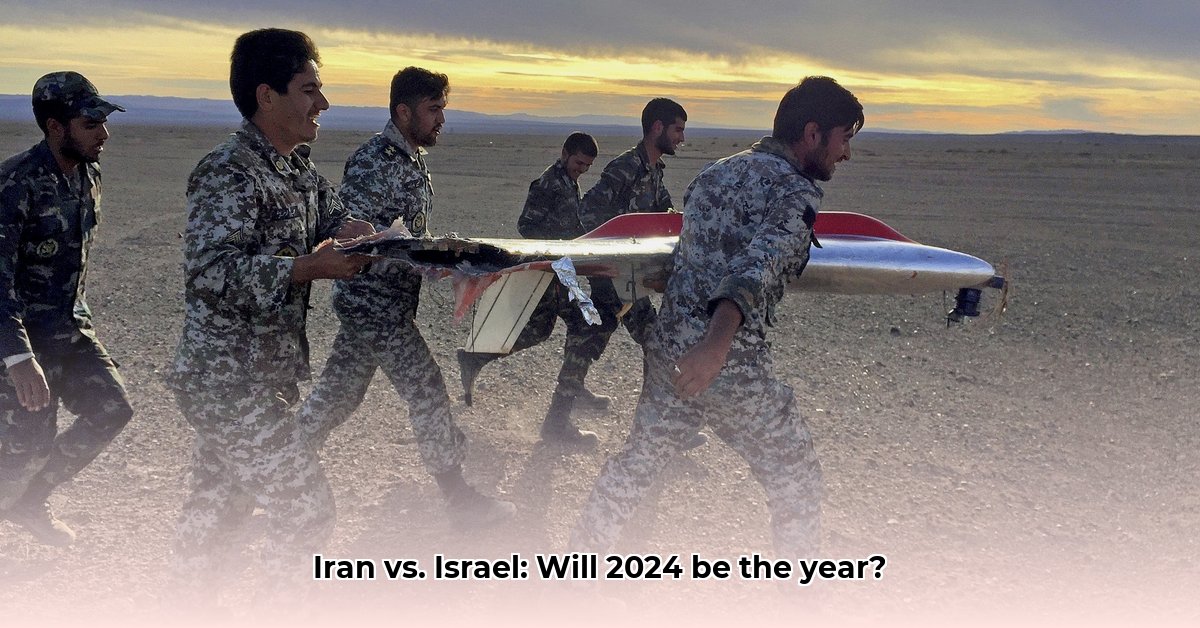
The 2024 Iran-Israel Conflict: A Shifting Power Dynamic in the Middle East
The 2024 military conflict between Israel and Iran significantly altered the Middle East's geopolitical landscape. This wasn't a brief skirmish; it involved direct military engagements and targeted attacks on key figures within groups opposing Israel, marking a pivotal moment. But what are the long-term implications of this conflict? This analysis delves into the key events, assesses the resulting power shifts, and explores potential future scenarios. For more on the Iran-Israel conflict, see this helpful resource: Iran-Israel War.
Tactical Victories, Strategic Uncertainty
Israel achieved notable tactical victories, inflicting significant damage on groups such as Hezbollah and Hamas. However, the absence of a decisive victory leaves the region's future uncertain. Is this a lasting power shift, or a temporary setback for Iran's regional allies? Experts offer divergent opinions. Some predict increased regional stability, while others foresee escalating chaos and the rise of new militant factions. The situation remains highly volatile, highlighting the crucial need for a comprehensive understanding of the conflict's implications. How will the shifting alliances in the region impact future conflict and stability?
Unintended Consequences: A Region in Turmoil
The 2024 conflict underscores the enduring impact of past actions, particularly the 2003 Iraq War. The war's aftermath created a power vacuum, exacerbating regional instability and fueling subsequent conflicts. The current crisis is a complex interplay of long-standing rivalries, proxy wars, and the involvement of major global powers. This conflict serves as a stark reminder of the unintended consequences of military intervention and the need for strategies that prioritize regional stability. What long-term impact will the 2003 Iraq War’s destabilizing consequences have on future conflicts in the region?
Beyond a Dual Confrontation: A Regional Web of Conflict
The Israel-Iran conflict transcends a simple bilateral confrontation. Syria, Jordan, and Iraq are deeply involved, and their actions significantly influence the conflict's trajectory. The potential use of nuclear weapons introduces an alarming dimension of risk. Simultaneous diplomatic efforts to achieve peace and secure hostage releases further complicate the already intricate situation. How will the involvement of these regional actors shape the conflict’s future?
Divergent Perspectives: Key Points of Contention
Significant disagreements persist regarding the conflict's key aspects. The effectiveness of Israel's strategy is a central point of debate. Will the weakening of Iran's allies lead to long-term stability, or will it create opportunities for new groups to fill the power vacuum? Another major point of contention centers on the United States' role. Should the US increase its support for Israel, or would such action only exacerbate the conflict? Understanding these diverse perspectives is crucial for informed analysis and effective policymaking. What are the central arguments for and against the effectiveness of Israel’s military strategy?
Potential Future Scenarios: Navigating Uncertainty
The following table outlines potential short-term and long-term outcomes for key stakeholders. Understanding these possibilities is essential for navigating the evolving geopolitical dynamics.
| Stakeholder | Short-Term (0-1 Year) | Long-Term (3-5 Years) |
|---|---|---|
| Israel | Consolidation of gains, management of potential Iranian retaliation, pursuit of international support. | Development of a long-term strategy for regional stability, addressing underlying issues, managing US relations. |
| Iran | Assessment of losses, rebuilding of allied networks, planning future actions, potential diplomatic overtures. | Re-evaluation of regional strategy; escalation or de-escalation dependent on overall regional stability. |
| United States | Provision of military and intelligence support, management of regional instability, promotion of diplomacy. | Reassessment of Middle Eastern policy, learning from past mistakes, encouragement of dialogue and cooperation. |
| Regional Actors | Adaptation to the new power balance, protection of national interests, potential mediation efforts. | Re-evaluation of alliances, improvement of internal security to address future challenges. |
| International Community | Pressure for de-escalation, provision of humanitarian assistance, human rights monitoring. | Promotion of long-term regional stability, addressing root causes of conflict, collaborative international efforts. |
Assessing the Risks: A High-Stakes Game
The Israel-Iran conflict presents substantial risks. The success or failure of various actions have far-reaching consequences.
| Technology/Action | Probability of Success | Impact of Failure | Mitigation Strategies |
|---|---|---|---|
| Israeli Airstrikes | High (short-term) | Increased regional conflict, international condemnation | Precise targeting, diplomatic efforts, clearly defined goals |
| Iranian Retaliation | Medium | Wider conflict, increased instability, greater violence | Proactive diplomacy, robust defenses, reliable intelligence |
| US Military Support | High | Lengthened conflict, diminished US regional influence | Clearly defined conditions for support, diplomatic engagement, managed expectations |
| Diplomatic Solutions | Low (current context) | Failure to de-escalate, continued instability | Sustained dialogue, addressing root causes of conflict |
Legal and Regulatory Implications: Navigating the International Framework
International law plays a significant role. The use of drones, attacks on civilians, and the potential for employing weapons of mass destruction raise serious legal and ethical concerns. UN resolutions and international sanctions are possible responses. The legal ramifications of this conflict will undoubtedly be debated for years to come. What are the key international laws and norms that apply to drone warfare and the targeting of civilians in this context?
The 2024 Iran-Israel conflict remains a dynamic and highly uncertain situation. Its long-term consequences are far from clear. A thorough understanding of the key actors, the inherent risks, and the complex interplay of factors is critical for navigating the evolving geopolitical landscape of the Middle East. The conflict’s impact will continue to shape regional and global politics for years to come.